
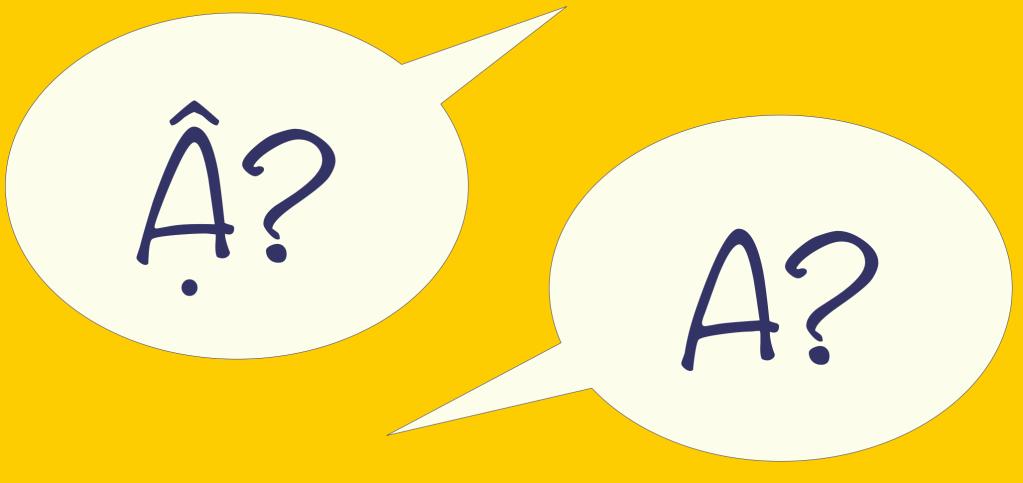
One of the main concerns when travelling around is the language barrier. While it’s true that English is widely learned, used, and understood, it is not always the case that you will find an English speaker.
So if you are going to a place that doesn’t speak your language, and you want to make the effort to communicate with the locals, you will find yourself rewarded first by the grins and eyes that will brighten at your display of good faith; second by the mental benefits of learning a new language (good for memory, for brain health, helps push back Alzheimers onset); third by the added perspective you will gain from trying to understand another mode of communication.
☞ So if you’re ready, here are some useful words and phrases to learn (or at least have the translation handy in case you have to use any).
Content
- Simple politeness formulas
- Asking for directions
- Ordering at a restaurant, cafe, bar, kiosk
- Emergencies
- Conclusion
- Questions/Comments
- More travel content
Simple politeness formulas
⟹ You’re likely to use these often. *Pro tip: some culture express “yes” and “no” differently than by a simple translation of the words. If you can, take the time to understand how they signify it or express it.
- Hello
- My name is…
- Nice to meet you.
- Goodbye
- Please
- Thank you
- Yes
- No
Directions
⟹ Google maps can’t solve every last direction issue you may have, like location of a bathroom. Even if you don’t understand the locals, you’ll learn that you can understand instinctively what is being communicated thanks to non-verbal cues and signs.
- Here
- There
- The address is …
- Where is …
- The bathroom (yep, you’re going to need this a lot)
- A restaurant, a cafe, a bar…
- A taxi
- A bus stop
- A subway station
- A train station
- The name of your destination (consider always noting its name in the local language)
Restaurants
⟹ If you have allergies or food restrictions, learn to say these or write them down clearly.
- I can’t eat …
- I’m allergic to …
- I want …
- That one
- This one
- Food name
- How much is it?
- Can I have the check please?
- It’s delicious.
Emergencies
- Help me.
- I am sick.
- My … hurts.
- Police
- Hospital
Final words
☞ That’s all you need, promise. You’d be surprised just how much this basic language usage can open you doors into people’s hearts.
☞ After you find the right equivalencies in your target language, the next step is to learn how to pronounce them. You can use electronic dictionaries for this, they often voice the words, or Google translate. Youtube can also be a good source for learning to pronounce individual sounds.
☞ Even if you learn how to say things, you might not be understood and you might not understand. Learn to be patient.
☞ So remember that with good faith on both sides, you will still be able to achieve an exchange of information. Careful with gestures, but miming, pointing, facial expressions, attitude, how you carry yourself can all help communicate your intent.
★ With this in mind, I wish you good luck and encourage you to not worry about your accent or your lack of expertise, but it’s good to prepare a minimum to help others help you.
Questions / Comments 😄💬 Let’s Chat
☞ Have you ever been to a place for which you didn’t know a word of the local language?
☞ Were you ever in trouble because you didn’t know the local language?
☞ What is your experience navigating a place with only basic language skills?
 The ESL Teacher C · Nomad Educator
Leave a comment