
*Here I’m sharing the things I prepare and consider for any trip I take. Different destinations and different people might have different needs. Make sure you always check your travel requirements in advance.*
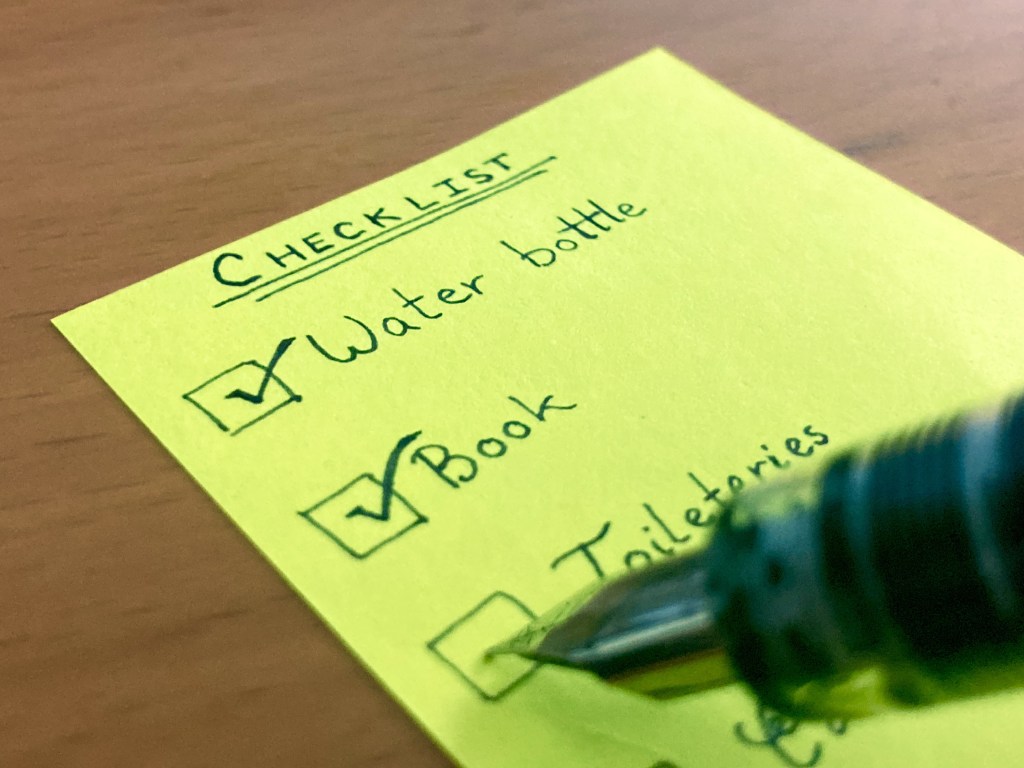
Many of the following items listed are obvious things to consider, but I like the thought that our mind is for thinking, not storing information. Listing everything, no matter how self-evident, is my way to ensure I make as little omissions as possible and have my back covered for most situations, especially considering I often travel on my own.
My General Guide
- Know what country(ies) or city(ies) you want to go visit.
- Know what sights you want to see, what you want to eat, what activities you want to do.
- Consult a travel guide book (Lonely Planet has both the essential tourist sights and off the beaten path activities);
- Use The New York Times 36 Hours (last minute pre-planned guides);
- Use TimeOut or Narcity (for generic information about current festivals);
- Search local blogs for up to date events and insights to navigate the city like a local (type blog + name of the area in a web browser and it should give good results);
- If you want to visit certain museums, you might need to book in advance to ensure entrance, make sure to check their opening hours, Monday is not a worldwide off day.
- Have a map and circle the locations you’re interested in or save to Google maps (on a personal map or just by starring them on a general map) or save on a different map/travel app.
- **Pro tip 1: for Google maps, you can download the map of an area to your phone so it’s always available even offline.
- **Pro tip 2: even without wifi/data, you can track your location on your Google Maps app, just make sure when you get to a new location to update your location via a wifi connection, once that is done, you can turn off wifi and it will keep track of you.
- Determine, based on how the locations are regrouped, and on available transportation, where you want to stay.
- Select the way to get there, and to go around the different locations:
- check for transportation discounts you can get (a weekly card = cheaper than a per-use card, student preferential price…);
- download apps for public transportation, booking trains, renting bikes, renting a car, booking a taxi (Uber is not global);
- obtain a map of the subway or bus lines (paper or offline to ensure access at all times);
- If you want to book local trains, boats, planes, check online options, it’s often simpler.
- Buy the tickets → and get all the documents needed for your travel (visas/passports etc.)
- Reserve an accommodation (check my full guide here)
- As a guest for free (with family or friends, Couch Surfing, volunteer on a farm or at a hostel for accommodation and meals);
- as a lodger (AirBnb, apartment rental sites);
- in a hostel (great for hanging around other travellers and they often have group activities and discounts for students or young travellers (normally 30 and less));
- in a hotel/motel;
- maybe your accommodation is already taken care of for you if you are doing a student exchange, volunteering for a cause, or travelling for business.
- Note the address, telephone number (and Google map location) in your language and the local language.
- Save it your preferred way:
- print it;
- write it in an agenda/diary/notebook;
- on a spreadsheet ;
- in your electronic calendar;
- etc.
- Save it your preferred way:
- This one could sound strange to some and common sense to others, BUT, inform yourself about common scams of the region you’re visiting. When you are a foreigner you easily stick out like a sore thumb and knowing what might come your way is useful to prevent unpleasant situations.
- **Add to this: know the local numbers for police or emergency services
- Packing (Leave enough space, you might want to purchase souvenirs or products abroad and bring them back)
- Be minimal, use multipurpose items.
- Consider a basic first aid kit.
- Packing cubes or compression bags (ones that don’t need a vacuum to deflate) are a great investment.
- So is a microfibre towel.
- And for adult females, the menstrual cup and period underwear are game changers 🙏
- And if you need the extra organization, a toiletry bag with compartments, a hook, and a mirror integrated can become your best friend.
- You might need a converter for your electronics.
- I like having a list for all the things I’ll bring along. Check mine here(coming up soon, stay tuned😉).
- Currency exchange
- Inform yourself about the best way to use the local currency
- Converting in your country and bring the money over might be the best option.
- You might be able to just use your regular debit or credit cards to take cash from certain banks (check online to know if your cards are accepted abroad).
- You might be able to get a card that offers preferential conversion rates.
- You might have to send yourself money (using Western Union for example).
- Inform yourself about the best way to use the local currency
- Prepare basic phrases and expressions in the local language, here is my survival language kit.
- Once you get there
- It is not a bad idea to go to a tourist information centre because they can help guide you and normally have FREE maps and a local dishes guides and any other necessary guides;
- wherever you are staying, if the personel is local: ASK THEM !!! they know more than you about how to get around and other tips and tricks. THEY ARE TRUE LOCALS and will HELP YOU feel like one too 😉
☞ I hope this post proves useful ✨ Safe travellings 🧳 I wish you many exciting adventures 😄
Questions or Comments ☞ Let’s Chat 😊💬
☞ What’s your favourite part of planning a trip?
☞ What is something you can’t part with while travelling?
☞ What is something you like to do in every place you visit?
☞ What should I write about next?
 The ESL Teacher C · Nomad Educator
Leave a comment